

- 2025 Model Year Closeout!
- View Inventory
2026 Mitsubishi Outlander Gas vs. PHEV: Powertrain Comparison
With the 2026 model year, the 2026 Mitsubishi Outlander offers Abilene drivers two highly advanced electrified powertrains. However, understanding the technical distinction between a "Mild-Hybrid" and a "Plug-In Hybrid Electric Vehicle" (PHEV) is critical for matching the vehicle to your daily commuting habits and access to charging infrastructure. At Arrow Mitsubishi, we analyze the engineering behind both the 1.5L Gas model and the 2.4L PHEV to help you determine which architecture best suits the Big Country.
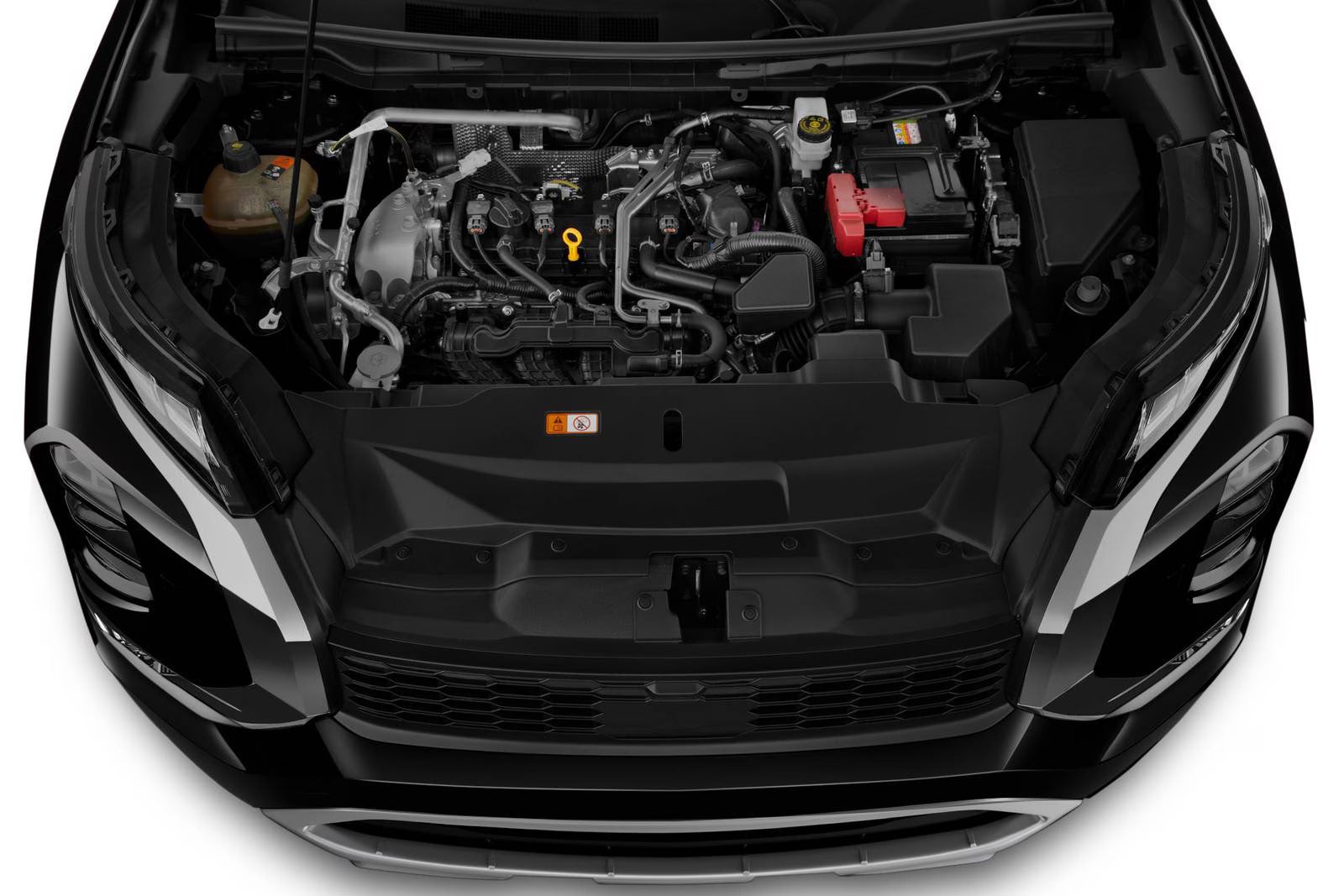
The 1.5L Turbo Mild-Hybrid (Gas Model)
The standard 2026 Outlander is classified as a gas model, but it is technically a 48V Mild-Hybrid. This system utilizes a Belt-Driven Starter Generator (BSG) and a compact lithium-ion battery. The defining characteristic of this system is that you never plug it in. It captures kinetic energy during deceleration and uses that energy to provide an electric torque boost to the 1.5-liter turbocharged engine during acceleration. This configuration generates 174 horsepower and 206 lb-ft of torque. It is engineered for drivers who want the increased torque and efficiency of electrification without altering their traditional refueling habits.
The 2.4L Twin-Motor PHEV
The Outlander PHEV operates on an entirely different mechanical platform. It pairs a naturally aspirated 2.4-liter four-cylinder engine with two high-output electric motors and a large-capacity lithium-ion drive battery. Unlike the mild-hybrid, the PHEV must be plugged into a power source to maximize its capability. When fully charged, the PHEV can operate in pure electric mode for daily commuting, completely bypassing the gasoline engine for approximately 38 miles. This system delivers a combined output of roughly 248 horsepower and 332 lb-ft of torque, providing aggressive acceleration for the Winters Freeway.
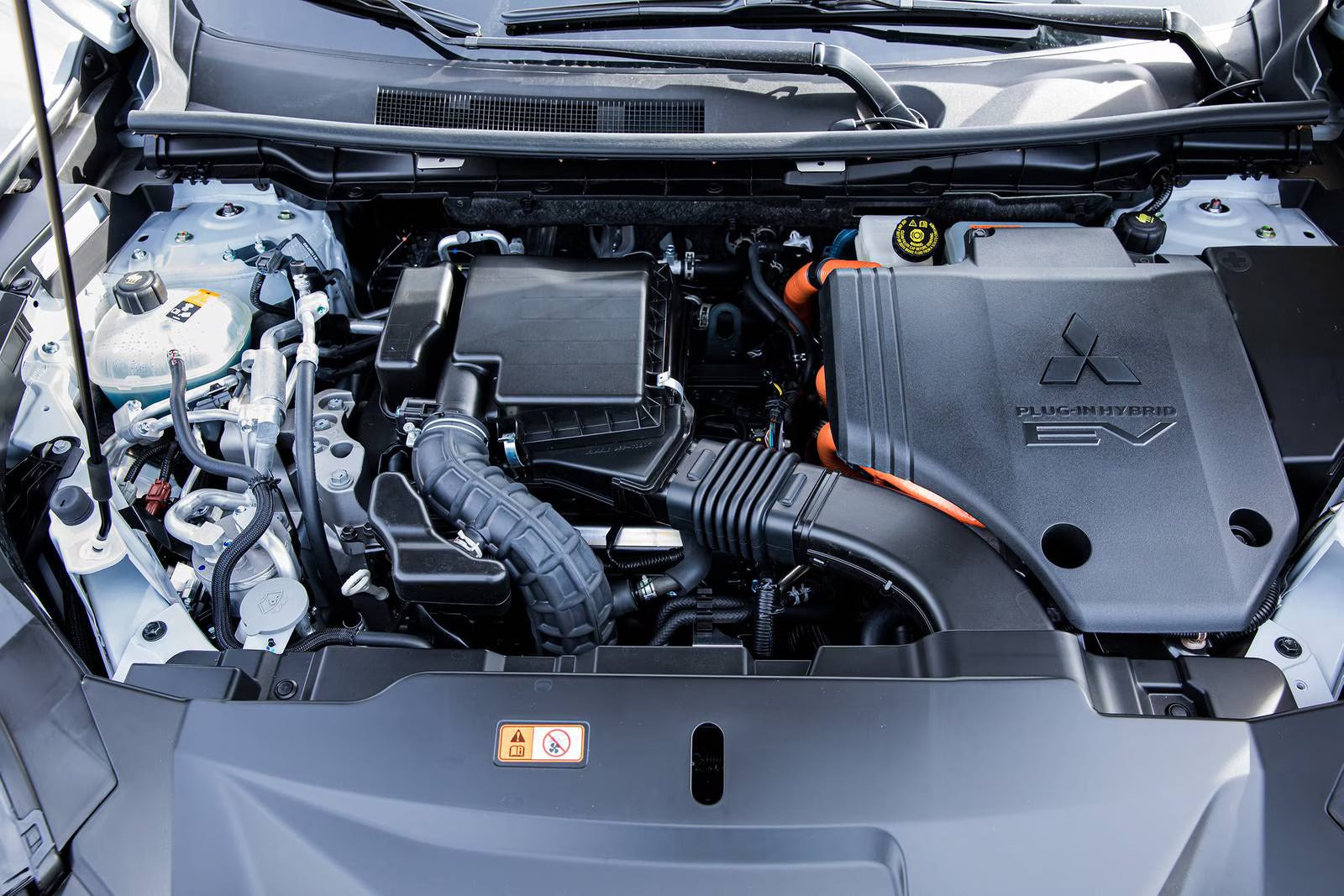
Powertrain Specification Comparison
| Technical Specification | 2026 Outlander (Gas/Mild-Hybrid) | 2026 Outlander PHEV |
|---|---|---|
| Internal Combustion Engine | 1.5L Turbocharged 4-Cylinder | 2.4L Naturally Aspirated 4-Cylinder |
| Electric Architecture | 48V Belt-Driven Starter Generator | Twin AC Synchronous Electric Motors |
| Combined Horsepower | 174 hp | 248 hp |
| Peak Torque | 206 lb-ft | 332 lb-ft |
| External Charging Required | No | Yes (For maximum efficiency) |
| Electric-Only Range | 0 miles (Assist only) | Approx. 38 miles |
| Maximum Towing Capacity | 2,000 lbs (equipped) | 1,500 lbs (equipped) |
Lifestyle and Infrastructure in West Texas
Your driving routine dictates the superior choice. If your daily commute involves driving from a home in south Abilene to Dyess Air Force Base, the PHEV allows you to complete that round trip entirely on electric power. If you install a Level 2 charger in your garage, you can wake up to a full battery every morning and reserve gasoline strictly for long weekend trips to Midland or Dallas.
Conversely, if you live in an apartment complex without charging access, or if your primary driving involves long, continuous stretches on I-20 where battery depletion occurs rapidly, the 1.5L Turbo Mild-Hybrid is the superior technical choice. It provides sustained performance and a higher maximum towing capacity of 2,000 pounds when properly equipped, without the need to monitor charging stations.
The Arrow Mitsubishi Standard
Both the Mild-Hybrid and the PHEV require specialized diagnostic equipment for routine maintenance. Our service center is staffed by factory-certified technicians trained to handle everything from 0W-16 oil changes to high-voltage battery diagnostics. Learn more about our specific maintenance protocols on our Why Buy the 2026 Mitsubishi Outlander page.
To evaluate both powertrains in person, browse our new vehicle inventory and schedule a test drive at Arrow Mitsubishi today. Experience the future of Mitsubishi engineering in Abilene.

Although every reasonable effort has been made to ensure the accuracy of the information contained on this site, absolute accuracy cannot be guaranteed. This site, and all information and materials appearing on it, are presented to the user "as is" without warranty of any kind, either express or implied. All vehicles are subject to prior sale. Price does not include applicable tax, title, license, and $225 documentation fee. ‡Vehicles shown at different locations are not currently in our inventory (Not in Stock) but can be made available to you at our location within a reasonable date from the time of your request, not to exceed one week.